Core Dimensions of Cotton Seeds for Agricultural Sustainable Development

棉花种子赋能农业

可持续发展的核心维度
育种技术创新

筑牢可持续生产基因基础

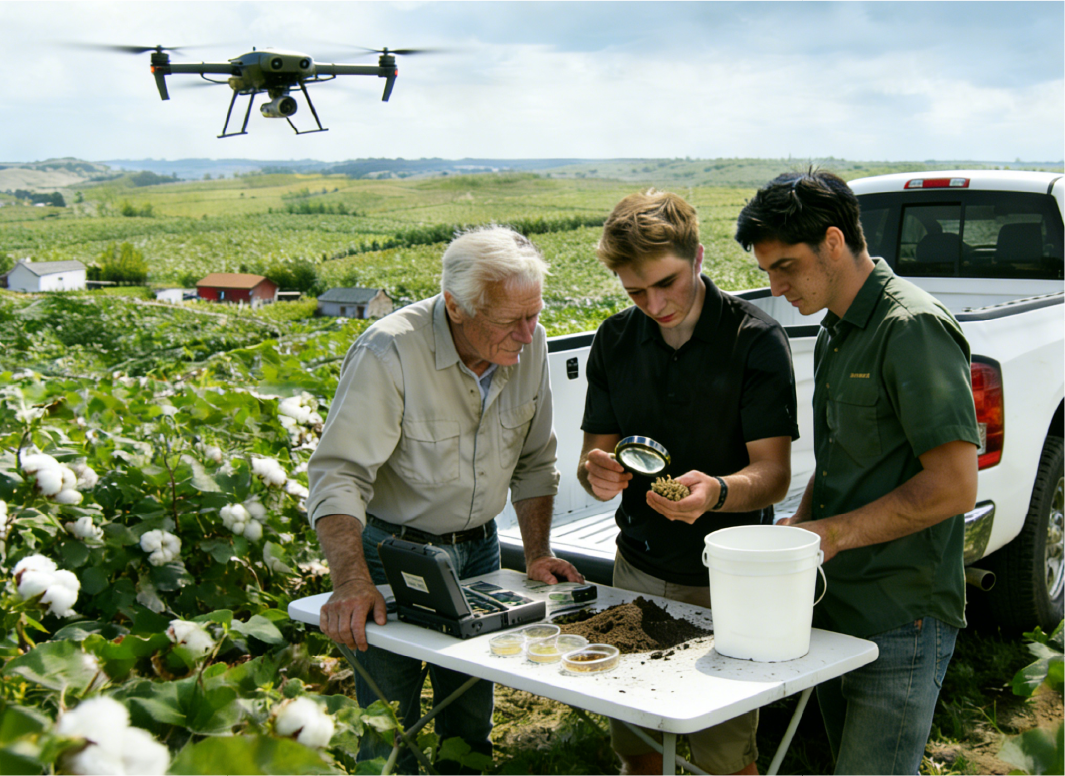
以分子标记辅助育种、基因编辑、杂种优势利用等技术为核心,定向培育具备抗逆性(抗早、抗盐碱、抗病虫害)、优质高产、资源高效利用特性的棉花品种。

  • 抗逆品种可适配边际耕地种植,拓展棉花生产空间,减少对优质耕地的过度依赖;
  • 抗虫棉品种能大幅降低化学农药施用,减轻农业面源污染;
  • 高衣分、高品质品种可提升单位面积产出效益,实现 “提质增效”的可持续生产目标。

Focusing on core technologies including molecular marker-assisted breeding, gene editing and heterosis utilization, we conduct directional breeding of cotton varieties with the traits of stress resistance (drought resistance, saline-alkali resistance, pest and disease resistance), high quality and yield, as well as efficient resource utilization.


Stress-resistant varieties are adaptable to marginal cropland cultivation, which expands the space for

cotton production and reduces over-reliance on high-quality cropland.Insect-resistant cotton varieties can drastically cut the application of chemical pesticides and mitigate agricultural non-point source pollution.


Cotton varieties with high lint percentage and superior quality can improve the output efficiency per unitarea, thus achieving the sustainable production goal of quality improvement and efficiency enhancement.

种子处理技术升级

提升萌发效率,减少田间损耗

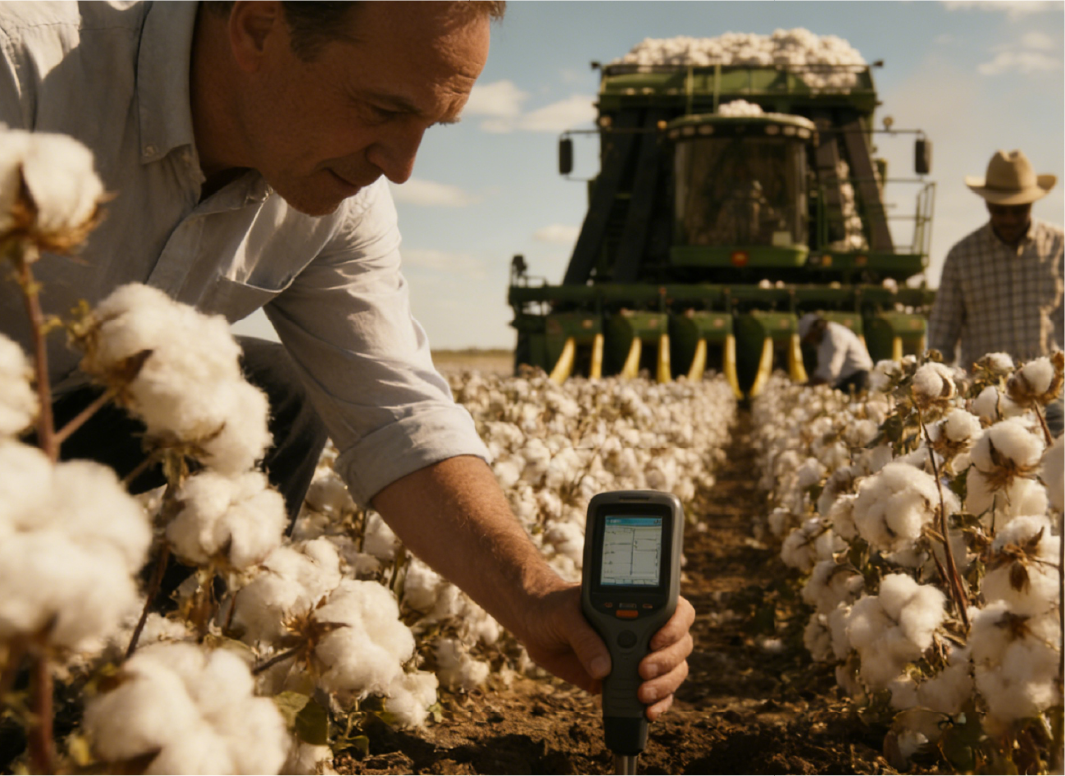
通过包衣、丸化、引发处理等技术优化棉花种子性能,从源头降低生产过程中的资源浪费。

  • 种衣剂添加生物菌剂、微量元素,替代传统高毒化学药剂,既防治苗期病虫害,又减少士壤污染;
  • 种子引发技术(如渗透调节、激素处理)可提高种子萌发率和出苗整齐度,降低田间补苗成本,减少种子用量;
  • 丸化处理使小粒、不规则种子标准化,适配精量播种机械,推动棉花种植轻简化、精准化,降低人工与能源消耗。
The performance of cotton seeds is optimized through technologies such as coating, pelleting and priming, so as to reduce resource waste in the production process from the source.


Bioagents and trace elements are added to seed coatings to replace traditional highly toxic chemical agents, which not only prevent and control seedling diseases and insect pests, but also reduce soil pollution;


Seed priming technologies (such as osmotic adjustment and hormone treatment) can improve seed germination rate and seedling emergence uniformity, reduce field seedling replenishment costs and seed dosage;


Pelleting treatment standardizes small and irregular seeds, making them suitable for precision sowing machinery, promoting the simplification and precision of cotton planting, and reducing labor and energy consumption.

产业链协同

从 “种子到缝纫”的全链条可持续

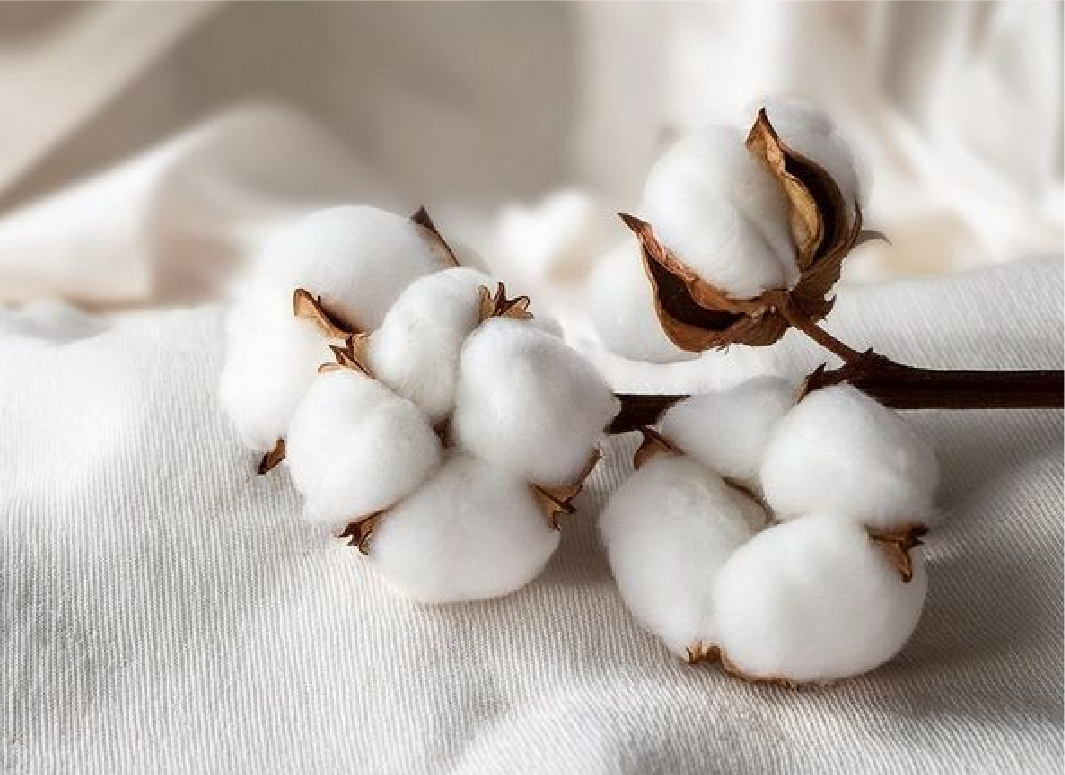
以优质棉花种子为起点,串联种植、加工、纺织、回收各环节,构建闭环式可持续产业链。

  • 种子企业与种植端合作,推广 “良种+良法”配套方案,保障棉花绿色生产;
  • 对接纺织企业需求,培育符合高端纺织标准的专用品种(如长绒棉、有机棉),提升产品附加值;
  • 推动有机棉种子认证体系建设,打通有机棉从田问到市场的通道;同时探索废旧棉纺织品回收再利用技术,减少产业链末端的废弃物排放。
Taking high-quality cotton seeds as the starting point, we connect the entire links of planting, processing, textile manufacturing and recycling to build a closed-loop and sustainable industrial chain.


Seed enterprises cooperate with the planting end to promote the supporting scheme of "good seeds + good cultivation methods", ensuring the green production of cotton;


They connect with the needs of textile enterprises to cultivate special varieties that meet high-end textile standards (such as long-staple cotton and organic cotton), improving the added value of products;


They promote the construction of the organic cotton seed certification system, opening up the channel of organic cotton from the field to the market; at the same time, they explore the recycling technology of waste cotton textiles, reducing waste emissions at the end of the industrial chain.


区域可持续实践

因地制宜的技术落地

结合不同棉区的气候条件、土壤特性、种植模式,定制化推广适宜的棉花种子与配套技术,实现区域农业资源的高效适配。

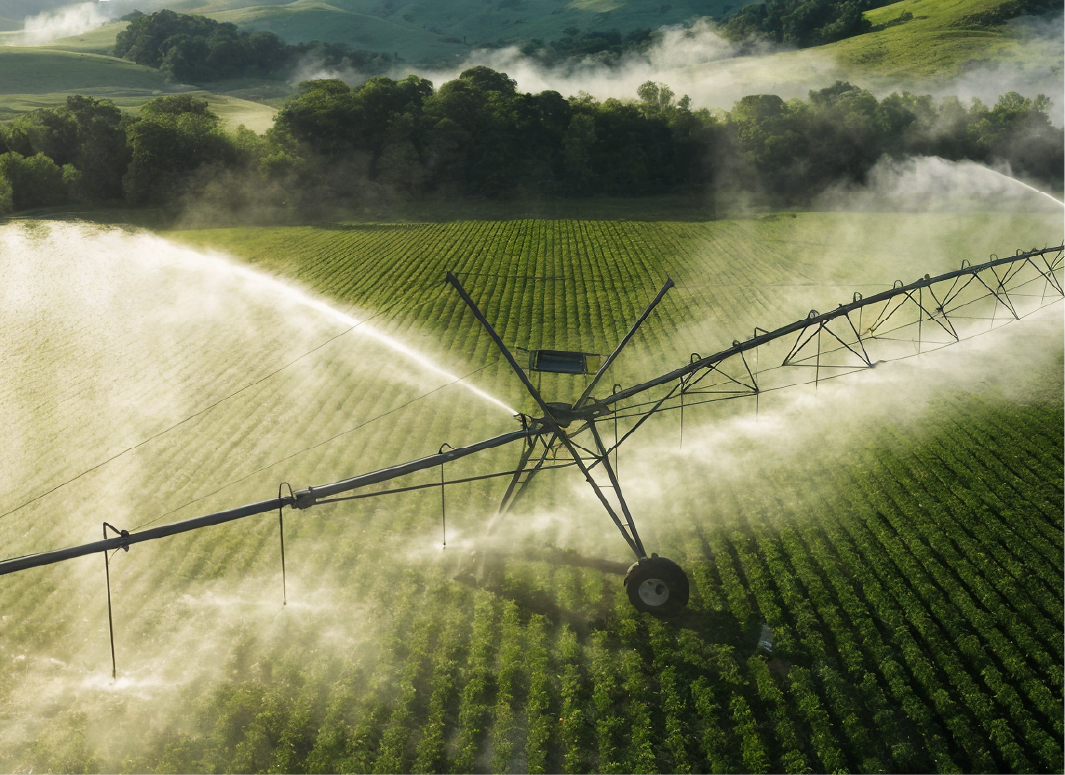
  • 西北内陆棉区推广抗旱、耐盐碱品种,配套滴灌节水技术,缓解水资源短缺压力;
  • 黄河流域棉区推广早熟、抗倒伏品种,适配麦棉轮作模式,提升耕地复种指数;
  • 长江流域棉区推广抗阴雨、抗枯黄萎病品种,配套轻简化栽培技术,降低劳动强度,稳定棉农种植积极性。

We customize the promotion of suitable cotton seeds and supporting technologiesin light of the climatic conditions, soil characteristics and planting patterns ofdifferent cotton-growing regions, so as to achieve an efficient adaptation of regional agricultural resources.


For the north west inland cotton region, drought and salt-tolerant varieties are promoted, coupled with drip irrigation water-saving technologies to alleviate the pressure of water resource shortage.


For the Yellow River basin cotton region,early-maturing and lodging-resistant varieties are promoted to adapt to the wheat-cotton rotation system and raise the multiple cropping index of cultivated land.


For the Yangtze River basin cotton region, rainy weather, fusarium and verticilliumwilt-resistant varieties are promoted, along with simplified cultivation technologiesto reduce labor intensity and stabilize cotton farmers' enthusiasm for planting.