棉花种子助力农业

可持续发展报告

Cotton Seeds for Agricultural Sustainable Development

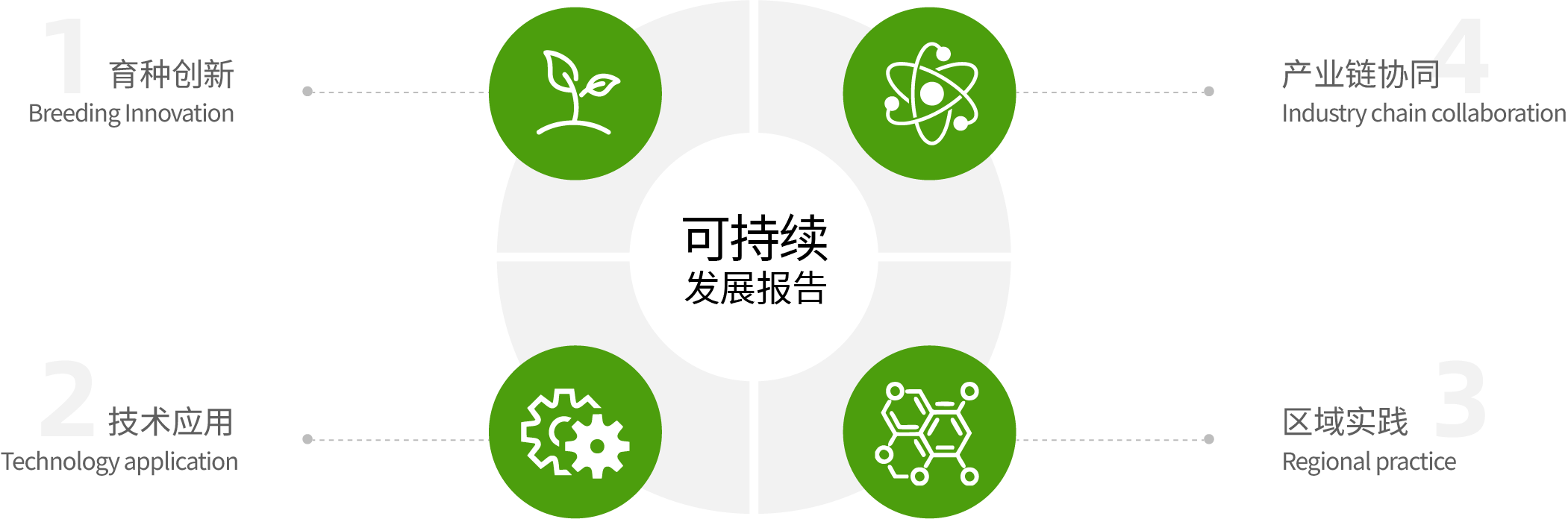
在全球人口持续增长(预计2050年突破100亿)、气候变化加剧、资源约束趋紧的背景下,农业可持续发展已成为保障粮食安全与生态平衡的核心议题。棉花作为重要的经济作物与纤维来源,其产业可持续性直接关联全球1亿个家庭的生计,而棉花种子作为产业链的起点,是推动棉花产业绿色转型、效率提升与价值延伸的关键载体、当前,全球棉花皮棉产量预计 2032年达2810万吨,中国作为主要产棉国,新疆棉区贡献了全国86.2%的种植量,且机采率突破95%、生物育种技术覆盖率超 40%,展现出技术驱动的转型趋势。然而,产业仍面临盐碱地退化、水资源错配、种质资源依赖、碳足迹管控等挑战.本报告从育种创新、技术应用、产业链协同、区域实践四大维度,剖析棉花种子如何赋能农业可持续发展,并提出针对性建议。
Against the backdrop of sustained global population growth (projected to exceed 10 billion by 2050), worsening climate change and tightening resource constraints, the sustainable development of agriculture has become a core issue for safeguarding food security and ecological balance. As a vital cash crop and source of fiber, the sustainability of the cotton industry is directly tied to the livelihoods of 100 million households worldwide. Cotton seeds, as the starting point of the industrial chain, serve as a pivotal carrier for driving the green transformation, efficiency improvement and value extension of the cotton industry.
Currently, the global lint cotton output is projected to reach 28.1 million metric tons by 2032. As a major cotton-producing country, China’s Xinjiang cotton region contributes 86.2% of the nation’s total cotton cultivation. With its mechanical picking rate surpassing 95% and the coverage rate of biotech breeding technology exceeding 40%, Xinjiang demonstrates a clear trend of technology-driven industrial transformation. Nevertheless, the industry still faces multiple challenges, including saline-alkali land degradation, irrational water resource allocation, over-reliance on germplasm resources and carbon footprint management. This report analyzes how cotton seeds empower the sustainable development of agriculture from four dimensions: breeding innovation, technological application, industrial chain collaboration and regional practice, and puts forward targeted recommendations accordingly.